Ebenezer

God has helped you more than you remember.

Write your prayers. Ebenezer keeps the record: who you prayed for, what you asked, and what God did.

Free preview. No account needed. Your prayers stay in this browser, so download a copy now and then.

New to prayer? Start here

Prayer is talking with God. The Bible says every one of us has turned away from him (Romans 3:23). God sent his Son, Jesus, who died for sinners and rose again, so that everyone who turns from their sin and trusts in him is forgiven and brought to God (Romans 5:8; 1 Peter 3:18). Through Jesus we can call God our Father (Romans 8:15).

If this is new to you, read the prayer Jesus taught his disciples (Matthew 6:9–13), read one of the Gospels, such as Mark, and find a local church that teaches the Bible. Then write your first prayer here, in your own words.

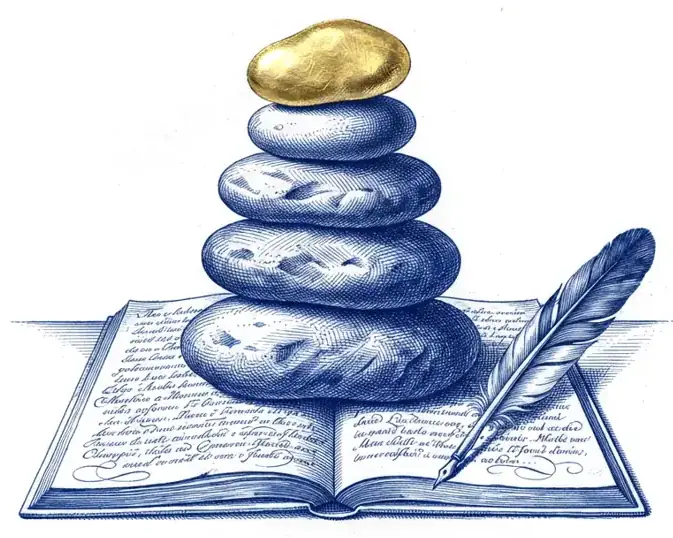
An engraved cairn of stones on an open journal, the top stone in gold

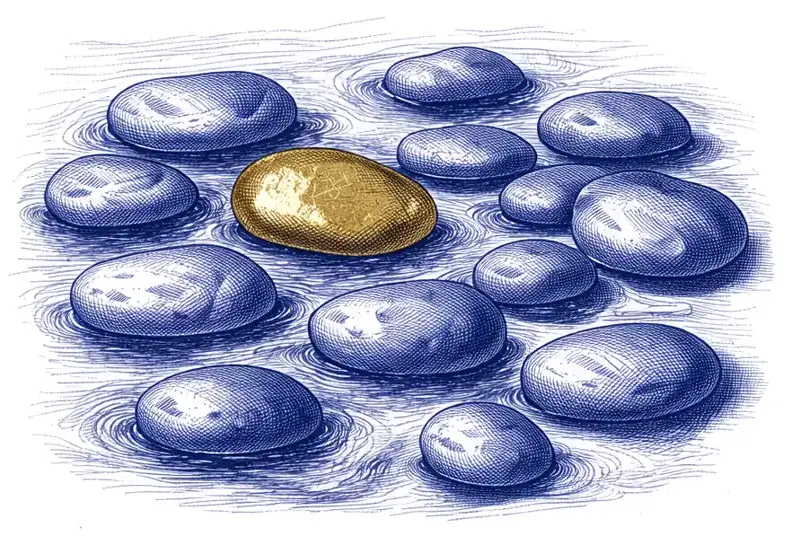
Each stone is a person you pray for. Gold marks a prayer where you have seen God's answer.

school run
deadline
rent
inbox
the match
flu
Benwisdom about the job offer
Answered

“I'll pray for you,” you told Ben.

You meant it.

Then life happened.

School runs, deadlines and the long rains. Weeks went by and Ben slipped your mind.

Ebenezer reminds you.

Each time you open it, it shows you people to pray for. Ben is one of them.

Ben got the job.

You mark it answered, and it is written down where you can find it again.
Ebenezer means stone of help.

After a battle Israel could not have won, Samuel set up a stone so that nobody would forget who had helped them.

Till now the Lord has helped us.

1 Samuel 7:12 (ESV)

Your journal can be that kind of stone: a marker of God's help, not of your faithfulness.

Not every prayer is answered the way we ask. Some answers are yes, some are no, and some are not yet. Ebenezer keeps all of them, so that over the years you can see God's faithfulness in the waiting as well as in the answers. Paul asked three times for his thorn to be taken away, and the Lord answered, “My grace is sufficient for you” (2 Corinthians 12:9).

Twelve engraved river stones in a stream, one of them gold

Write your first prayer.

Start with this verse. Then write in your own words and save it to your journal.

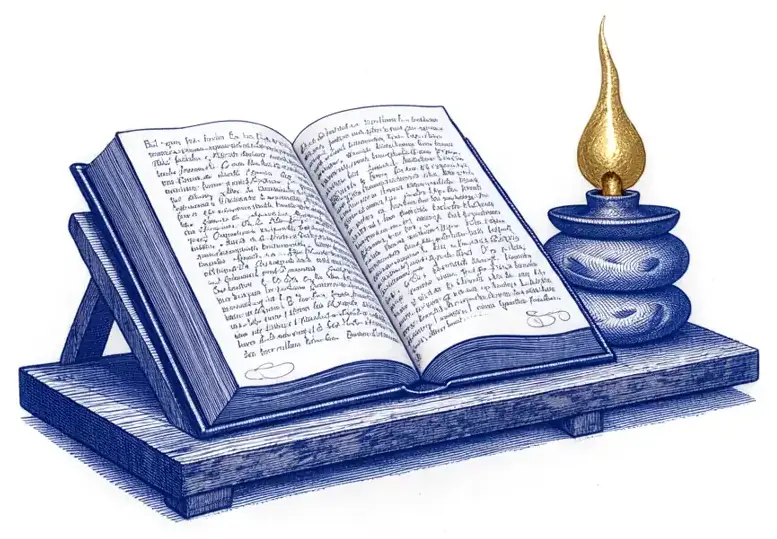
An open Bible on a reading stand beside a lit oil lamp

Saved only in this browser. No account needed.

How it works, in four steps.

Scroll to follow one prayer, from the day you write it to the day you look back.

  1. Write it down.

    Type a name and what you are asking. It takes ten seconds. Or write a full page.

  2. Pray for them.

    Each day Ebenezer shows you the people you have not prayed for lately. Pray, then tap I prayed.

  3. Record what happened.

    Tap Answered when God answers. If the answer is no, or different from what you asked, say that too. Prayers you are still waiting on stay on Today.

  4. Read it back.

    On a hard day, read what God has already done, and remember the prayers you are still bringing him.

God's people have written their prayers down for three thousand years.

Ebenezer carries on a habit as old as the Psalms.

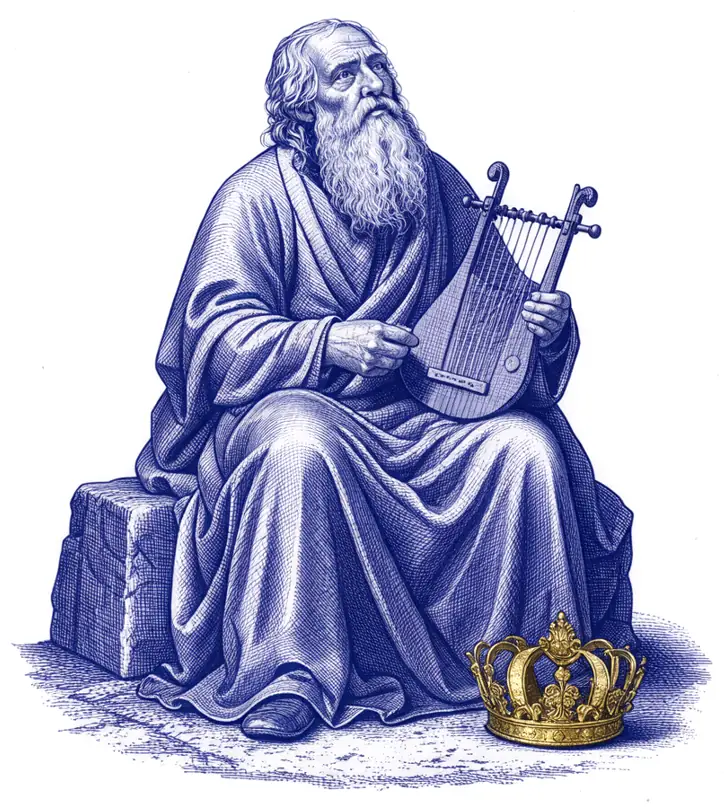
An imagined engraving of King David as an old man, playing a lyre

David, the psalmist

He wrote his prayers as songs. We still pray them.

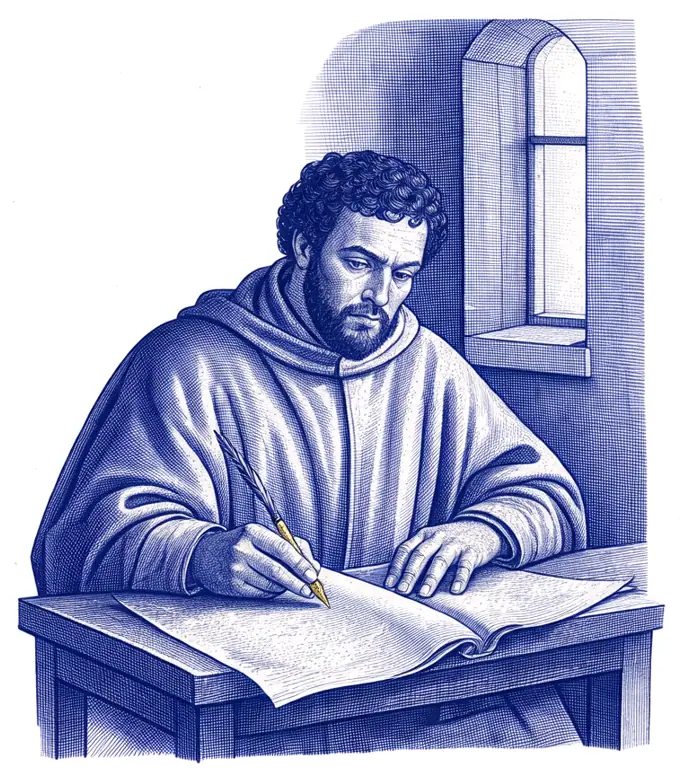
An imagined engraving of Augustine writing at a table

Augustine of Hippo

In North Africa, around 400 AD, he wrote his Confessions as one long prayer to God.

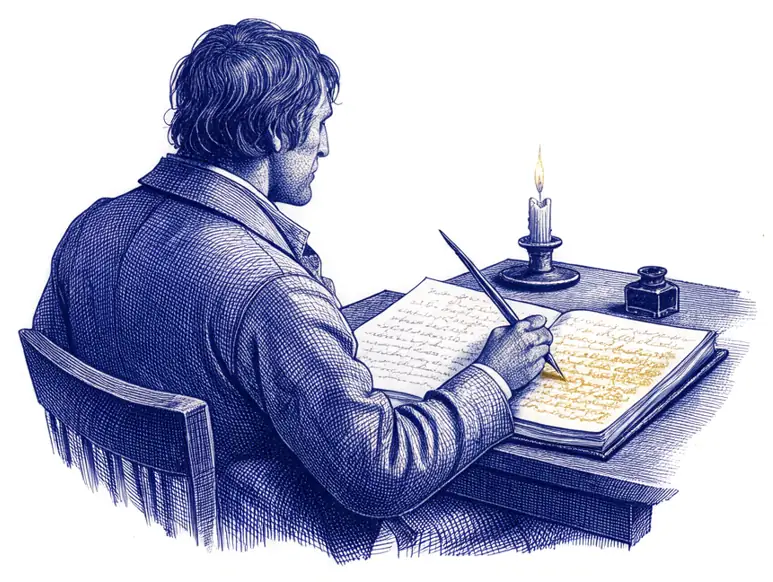
A 19th-century man seen from behind, writing in a ledger at his desk

George Müller

In Bristol he wrote each request in a notebook, with the answer beside it. He is said to have recorded some 50,000 answers.

David and Augustine are imagined. No true likeness of either survives.

Jonathan Edwards, George Whitefield, David Brainerd and William Carey kept journals of their walk with God, and Charles Spurgeon kept a diary of prayers at 16. Ebenezer is that notebook. It helps you remember; the Lord never forgets.

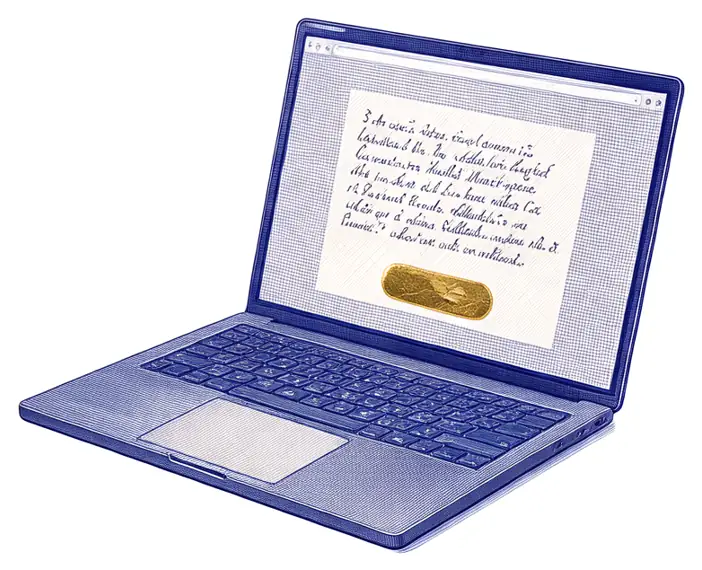
Write your prayers on your phone or laptop.

Ebenezer works in your browser. Every word is yours: it never writes a prayer for you.

Ebenezer is for your private prayers. It is no substitute for praying with your church.

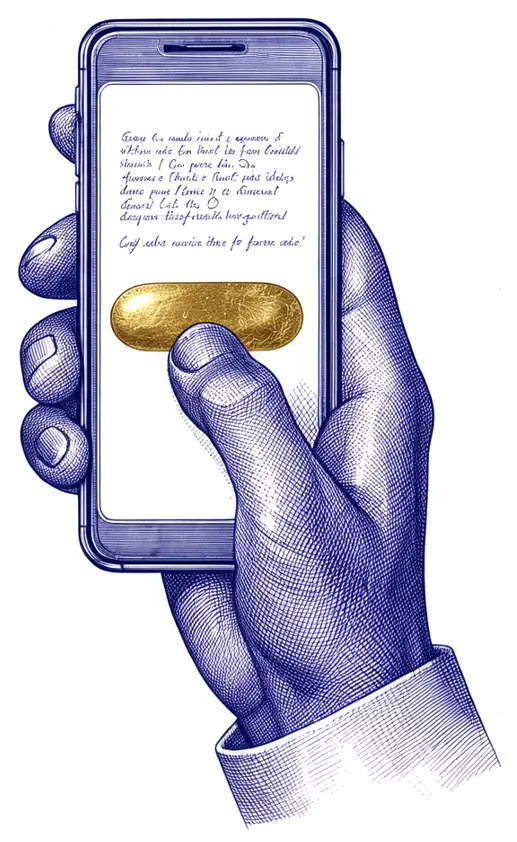
The gold button keeps a prayer. You will see gold when you save a prayer, when you pray for someone, and when you write down God's answer. Tapping “I prayed” is a reminder for you, not a score.

A slim modern laptop showing a prayer and a gold save button
A hand about to tap a gold button on a phone

Your prayers are not a product.

In 2022 Mozilla reviewed 32 mental health and prayer apps and gave 28 of them a privacy warning (read the review). Ebenezer is built the other way round.

I built Ebenezer for my own quiet times first. As it grows, here is what I commit to.

  • Your prayers stay yours. I will never sell them, share them, show you adverts or use your words to train AI.
  • Writing your prayers and keeping your journal will stay free. To pay for servers, I may one day charge for extra features.
  • I will count how Ebenezer is used, such as how many people open it each day and which pages they visit. Those counts never include your words, the names you pray for or who you are. No advertising cookies.
  • I will use those counts, and any feedback you choose to send me, to make Ebenezer better for you and for me.
  • You can export or delete your journal whenever you like. Your confession never leaves your device.
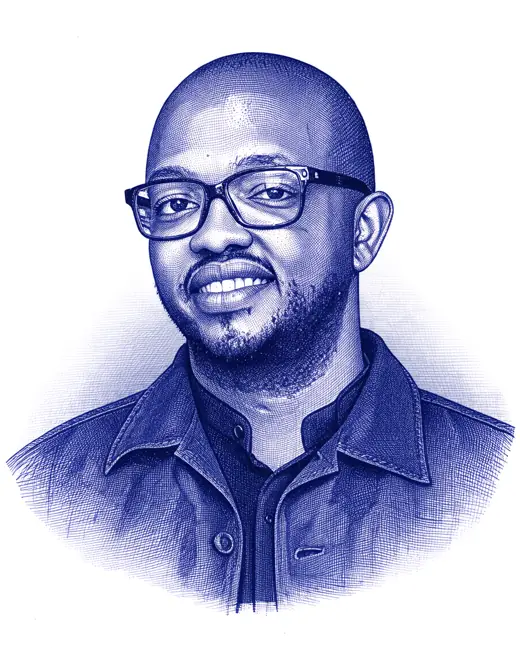
An engraved portrait of Mark Kaigwa in a denim jacket beside a potted plant

Mark Kaigwa

Nairobi

What will your stones say in a year?

Ebenezer is in early preview. Made in Nairobi by Mark Kaigwa.